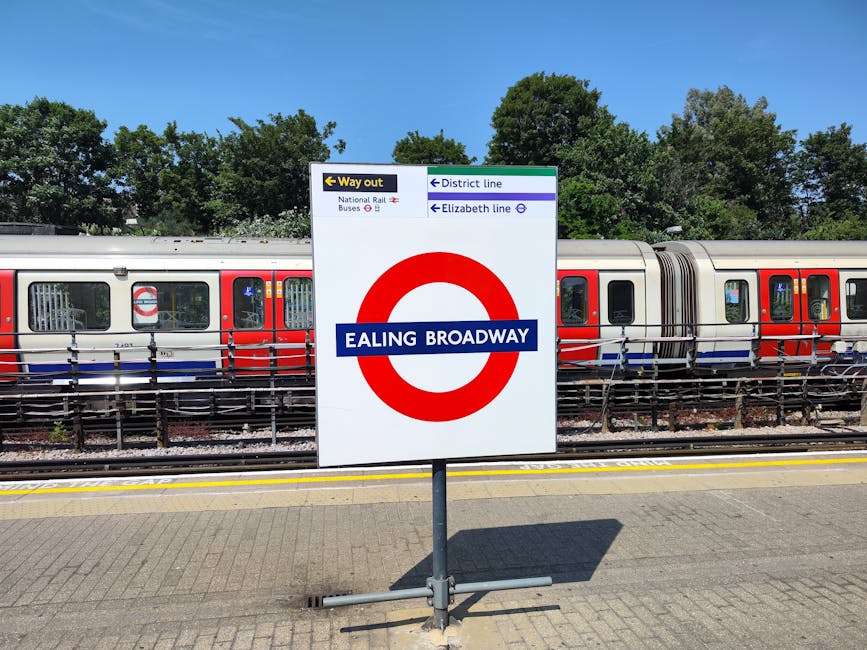
Walpole Park house removals guide for Ealing locals
Moving near Walpole Park can feel deceptively simple from the outside. Quiet streets, leafy routes, elegant Victorian terraces, and a familiar Ealing rhythm - then moving day arrives, and suddenly the practical bits matter a lot more. Parking, access, stairs, tight hallways, fragile furniture, timing, neighbours, weather. It all stacks up.
This Walpole Park house removals guide for Ealing locals is here to make that process feel manageable. Whether you are moving a few roads away, shifting into a larger family home, or downsizing after years in the same place, the goal is the same: fewer surprises, less stress, and a move that stays on track. Let's face it, nobody wants to be wrestling a sofa while the kettle is still packed.
Below, you'll find a practical walkthrough of how house removals work in this part of Ealing, what to plan for, what to avoid, and how to choose the right kind of moving support for your situation.
Contents
- Why Walpole Park house removals guide for Ealing locals matters
- How Walpole Park house removals guide for Ealing locals works
- Key benefits and practical advantages
- Who this is for and when it makes sense
- Step-by-step guidance
- Expert tips for better results
- Common mistakes to avoid
- Tools, resources and recommendations
- Law, compliance, standards, or best practice
- Options, methods, or comparison table
- Case study or real-world example
- Practical checklist
- Conclusion
- Frequently asked questions
Why Walpole Park house removals guide for Ealing locals Matters
Walpole Park sits in one of Ealing's most recognisable residential areas, which means moves around here often come with a mix of charm and constraint. Beautiful homes are brilliant to live in, but they are not always the easiest to move through. Narrow entrance halls, period features, split levels, awkward corners, and limited front-garden space can all slow things down. In wet weather, that lovely front step can become a bit slippery too. Small detail, big effect.
For local residents, a good removals plan matters because it reduces risk in all the places people usually underestimate: damage to furniture, delays caused by parking, last-minute packing panic, and the classic "where is the charger?" moment at 9pm after a long day. A clear moving plan also helps you decide whether you need a full house removal service, a smaller man and van service, or something more specialist like house removalists for a larger family move.
Truth be told, the best removals are rarely the most dramatic ones. They are the ones that feel almost boring on the day because the planning was done properly beforehand. That is the real win.
For many Ealing locals, the move is also about timing. School runs, commuting patterns, controlled parking zones, and busy weekend roads all affect how smoothly the day goes. If you are comparing moving support, it helps to look at the broader service range too, including home moves and packing and unpacking services, especially if your schedule is already tight.
How Walpole Park house removals guide for Ealing locals Works
At a practical level, house removals near Walpole Park follow the same core process as most London moves, but the local details matter more than people expect. First comes an assessment of what needs to move: furniture, boxes, white goods, delicate items, and anything that may need dismantling. Then comes the logistics: access, parking, loading time, travel distance, and the number of people needed on the day.
A typical move often starts with an inventory or at least a rough list. That is not just admin. It tells the mover whether the job needs a smaller vehicle, a full-size removal truck, or extra hands. If you have bulky wardrobes, a piano, large mirrors, or heavy dining tables, that changes the plan quickly. A good operator will think through those details before the van arrives, not after.
In a local residential area like this, it's also normal to consider whether a moving truck is the best fit or whether removal truck hire gives you more control if you already have friends helping. Some people want a full-service move, while others just need the vehicle and the muscle. Both can work. It depends on the home, the volume, and the amount of stress you want to carry on your shoulders.
A move usually breaks down into three phases:
- Preparation: booking, packing, sorting, labelling, and confirming access details.
- Moving day: loading, transport, unloading, and placing items in the correct rooms.
- Aftercare: unpacking, checking for damage, and dealing with any items left in storage or in the wrong place.
If you are moving a business or office alongside home responsibilities, a related service such as office relocation services or commercial moves may be relevant too. Different move, same need for structure.
Key Benefits and Practical Advantages
A well-run house removal is not just about getting from A to B. It gives you control on a day that can otherwise feel a bit chaotic. That matters more than most people admit.
- Less damage risk: Proper packing, loading order, and equipment reduce knocks and scrapes.
- Better time management: A realistic schedule means fewer delays and less waiting around with half-packed bags.
- Lower physical strain: Heavy lifting is tiring and, frankly, not worth a pulled back if you can avoid it.
- Clearer decision-making: When the move is planned, it is easier to choose what to keep, sell, donate, or store.
- Smoother family logistics: Children, pets, work calls, and key handovers are easier to manage when the moving plan is settled.
There is also a subtle but important benefit: confidence. Once you know what is happening and when, the move stops feeling like a looming mess. It becomes a sequence of jobs. That shift changes everything.
For people who want additional support, combining a house move with packing and unpacking services can save a huge amount of time, especially in larger Ealing properties where the number of rooms can creep up on you.
Who This Is For and When It Makes Sense
This guide is useful if you live in or around Walpole Park and are planning any of the following:
- moving from a flat, maisonette, terrace, or larger family house
- downsizing after a long-term stay in the area
- moving closer to schools, transport, or work
- relocating between nearby Ealing neighbourhoods
- moving bulky furniture, not just boxes
- trying to keep the move cost-effective without cutting corners
It also makes sense if you are comparing a full removals team with a smaller support option like a man with van arrangement. For a smaller one-bed move, that may be perfectly sensible. For a larger house with multiple rooms, you may find that a fuller removals setup is much calmer in practice.
If you are still early in the process, start by asking one simple question: How much help do I actually need? Not what sounds cheapest. Not what sounds easiest to book. What you actually need. That small distinction saves a lot of trouble later.
Step-by-Step Guidance
Here is a practical move plan that works well for many local households. It is not fancy, but it is solid.
1. Sort the move by room
Do one room at a time. It sounds obvious, but the number of people who pack a bit from everywhere and then cannot find the cutlery is, well, quite something. Start with low-use spaces like lofts, spare rooms, and storage cupboards.
2. Reduce the volume before you pack
Anything broken, duplicate, or no longer needed is a candidate for removal, donation, or furniture collection. If you have larger items to clear, furniture pick-up can be useful for easing the load before moving day.
3. Choose the right moving support
For smaller or more flexible jobs, man and van services can be a practical fit. For bigger homes, heavier loads, or a more structured move, consider full house removalists. If your move has a lot of items or a long route, a dedicated vehicle may be the better option.
4. Confirm access details
Check which entrance will be used, whether there are steps, if lift access matters, and where the vehicle can safely park. In London, access can make or break the schedule. A few minutes saved here can save an hour later.
5. Pack for unloading, not just loading
Label boxes by room and priority. Put essentials in one clearly marked bag or box: kettle, chargers, basic toiletries, tea, snacks, medication, pet items, and a change of clothes. You will thank yourself by 8pm, trust me.
6. Load in the right order
Heavy furniture, then medium boxes, then fragile items that need careful placement. The goal is stability, not just speed. A smart loading sequence helps prevent shifting during transit and makes unloading far easier.
7. Check the new property before items arrive
Clear pathways, open doors, and decide where major furniture should go. If you are moving into a new-build or freshly decorated home, lay protection down where needed. A little care goes a long way.
8. Unpack the practical basics first
Kitchen, bedding, bathroom, then everything else. You do not need the decorative cushions before the saucepan, even if the cushions are very nice and somehow always available at the wrong time.
Expert Tips for Better Results
Small decisions make a big difference on moving day. Here are the details that experienced movers tend to watch first.
- Measure awkward furniture before the move. Stair turns and hallway widths are the usual problem spots, not the front door.
- Protect corners and surfaces. Blankets, wraps, and mattress covers are simple but effective.
- Keep tools in one place. Allen keys, screwdrivers, tape, scissors, and spare bags should not disappear into a random box.
- Photograph cable setups before disconnecting them. One quick phone photo can save a lot of frustration later.
- Use a priority label system. "Open first," "kitchen," and "fragile" are more useful than a pile of anonymous boxes.
- Build in time for parking or access issues. Even when everything is planned, London sometimes does its own thing.
One practical tip people often overlook: put your essentials box somewhere you can see it immediately when you arrive. If it blends into the pile, it may as well not exist. Small thing. Big relief.
If you are unsure whether to hire a truck alone or bring in a crew, comparing moving truck options with a fully supported move can help. Sometimes the cheaper route is the one that costs you the most energy.
Common Mistakes to Avoid
A lot of moving problems are predictable. That is the annoying part. The good news is that they are also avoidable.
- Underestimating time: Packing takes longer than most people think, especially with books, kitchens, and storage cupboards.
- Not checking parking early: A van that cannot park close enough slows everything down.
- Leaving packing until the night before: This usually leads to poor labelling and higher stress.
- Overfilling boxes: Heavy boxes are hard to carry and more likely to split.
- Forgetting about dismantling: Beds, tables, and wardrobes often need more time than expected.
- Mixing essentials with non-essentials: Then the first night feels like a treasure hunt.
One of the most common local issues is assuming that a short distance move is automatically a quick move. It is not always true. A move from one Ealing street to another can still take most of the day if access is awkward or the property is full of large furniture.
Another slip-up: booking the wrong type of service for the volume. If in doubt, ask for a view on whether your move is better suited to a man with van, a larger team, or a more complete home moves solution.
Tools, Resources and Recommendations
You do not need a van full of specialist gear to move well, but a few basic tools make everything easier.
- Strong packing tape
- Marker pens for labelling
- Bubble wrap or paper for fragile items
- Blankets and furniture covers
- Spanners and screwdrivers for dismantling
- Door wedges for keeping access open during loading
- Reusable bags for small loose items
For households wanting a more hands-off move, pairing moving support with packing and unpacking services can be a very practical choice. It is especially helpful if you work full-time, have children around your feet, or simply do not want to spend three evenings taping boxes in the hallway.
It can also be worth checking the company's background, service range, and policies before booking. Pages like about us, contact us, privacy policy, and terms and conditions are helpful for understanding how a business operates and what to expect before you confirm anything.
Law, Compliance, Standards, or Best Practice
House removals in the UK are not usually complicated from a legal point of view, but there are still sensible standards to follow. Good movers should handle goods with care, communicate clearly, and explain what is and is not included in the service. That sounds basic, yet it is where many issues start.
If a move involves parking suspensions, access restrictions, or shared entrances, it is best practice to plan those early and avoid last-minute improvisation. Local roads around busy residential areas can be tight, so leave margin for loading and unloading. Also, if you are moving items you are not sure can be carried safely, do not guess. Better to pause and assess than try to be heroic for ten seconds and regret it for two weeks.
For fragile, high-value, or sentimental items, plain communication matters. Say what needs extra care, what should be loaded last, and what absolutely must not be stacked. A good move is not only about strength; it is about judgement.
Where storage or continued access is involved, make sure any agreement is read properly before you sign. Clear expectations avoid awkward conversations later, and awkward conversations are not what you want on moving week.
Options, Methods, or Comparison Table
Different moves need different approaches. Here is a simple comparison to help you weigh the options.
| Option | Best for | Strengths | Watch-outs |
|---|---|---|---|
| Man and van | Small flats, lighter loads, local moves | Flexible, practical, usually straightforward | May not suit larger houses or lots of furniture |
| Man with van | Single-room moves, student moves, a few bulky items | Simple and often good value for small jobs | Limited support for heavy or complex removals |
| House removalists | Full home moves, family houses, heavier loads | More structured, more help, less lifting for you | Usually needs more planning and coordination |
| Moving truck or truck hire | Large loads or self-managed moves | Good capacity and control over scheduling | You still need a plan for loading and labour |
The right option is not always the most impressive one. It is the one that matches your property, your schedule, and your tolerance for stress. That is the honest answer.
Case Study or Real-World Example
Imagine a couple moving from a three-bedroom house just off the Walpole Park area into another Ealing property a few streets away. On paper, the move looks easy. Same borough, short drive, no long-distance logistics. But once they start listing the actual work, the picture changes.
There are wardrobes to dismantle, a dining table with awkward legs, a cot, several boxes of books that are somehow much heavier than expected, and a hallway that bends at a difficult angle. They also realise the new place has slightly tighter parking access than the old one. Nothing dramatic, but enough to slow the day if ignored.
They decide to use a team rather than trying to self-manage it with a borrowed van. The packing is done over a few evenings, with essentials kept separate. The removal crew loads heavy pieces first, protects the fragile items properly, and places the major furniture in the right rooms at the new house. By late afternoon, the family can make tea, find the bedding, and breathe again.
That is the real value of a good local removals plan. It removes the background chaos. The move still takes effort, of course. But it feels organised, and that makes the whole day lighter.
Practical Checklist
Use this checklist in the final days before the move. It keeps the basics in view when everything is happening at once.
- Confirm moving date, arrival time, and access details
- Check parking space or loading arrangements
- Measure large furniture and tricky doorways
- Pack an essentials bag for the first 24 hours
- Label boxes by room and priority
- Separate fragile items clearly
- Dismantle beds, tables, and oversized furniture if needed
- Protect floors, corners, and surfaces where necessary
- Keep valuables and documents with you
- Do a final sweep of cupboards, lofts, and under beds
- Take meter readings if relevant
- Check the old property once everything is loaded
Expert summary: A smooth move near Walpole Park is less about speed and more about sequencing. Sort access first, reduce the load second, and keep essentials separate. Do that well, and the rest tends to fall into place.
Get a free quote today and see how much you can save.
Conclusion
Moving home near Walpole Park does not have to feel overwhelming. With the right plan, the right level of support, and a bit of honest preparation, the whole process becomes far more workable. The key is to match the service to the move, not the other way around.
If you are staying local, relocating across Ealing, or shifting into a bigger or smaller home, the smartest thing you can do is slow the process down just enough at the planning stage. A calm move is usually a well-prepared move. Nothing glamorous about that. Just good sense, really.
And when the boxes are finally stacked, the kettle is on, and the first room starts looking like home again, you will know it was worth the effort. Little by little, it always comes together.
Frequently Asked Questions
How far in advance should I book a house removal near Walpole Park?
It is sensible to book as early as you can, especially if you are moving at the end of the month, during school holidays, or on a weekend. Local moving schedules can fill quickly, and a little advance notice gives you more choice and less pressure.
Is a man and van service enough for a local Ealing move?
Sometimes, yes. If you are moving from a small flat or only have a few large items, a smaller setup may be enough. If you are moving a full family home, you may find a larger removals team far less stressful.
What should I pack separately for moving day?
Keep essentials separate: toiletries, chargers, medication, snacks, tea or coffee, important documents, keys, and a change of clothes. If you have children or pets, add their immediate needs too. That one box saves a surprising amount of grief.
Do I need packing services or can I pack everything myself?
You can absolutely pack yourself if you have time and energy. Packing services are useful if your schedule is tight, your home has lots of fragile items, or you simply want to reduce the workload. There is no single right answer here.
What is the difference between man and van and house removalists?
Man and van is usually better for smaller loads and simpler moves. House removalists are better suited to larger properties, more furniture, and jobs where you want a fuller service with less lifting and coordination on your side.
How do I prepare furniture for removal?
Empty drawers where needed, dismantle items that can be safely taken apart, protect corners, and keep screws or fittings in labelled bags. If a piece is delicate or heavy, make that clear before the move begins.
What if my street has difficult parking?
Let the mover know early. Parking and access are often the biggest hidden variables in a London move. If you wait until the day, the whole schedule can be thrown off for something that was avoidable.
Can I combine a house move with furniture disposal?
Yes, and many people do. If you have old pieces that are not worth taking with you, arranging furniture pick-up before the move can reduce clutter and make packing easier. It is a nice little reset, actually.
How do I know whether I need a moving truck?
If you have a large amount of furniture, multiple rooms worth of belongings, or awkward bulky items, a moving truck may be the better fit. For smaller jobs, a more compact vehicle or a lighter service may be enough.
What should I check before choosing a removals company?
Check what the service includes, how access is handled, whether packing help is available, and what happens if timing changes. Reading the company's service pages and terms helps you understand the process before you commit.
Is this type of move suitable for downsizing?
Yes. In fact, a local move near Walpole Park is often a good opportunity to simplify. If you are downsizing, a careful sort before moving day can save money, reduce lifting, and make the new home feel calmer from the start.
What is the biggest mistake people make with local removals?
The biggest mistake is usually assuming a short distance means a simple move. Even across Ealing, access, parking, packing quality, and furniture volume can create delays. Plan for the real job, not the hoped-for version.