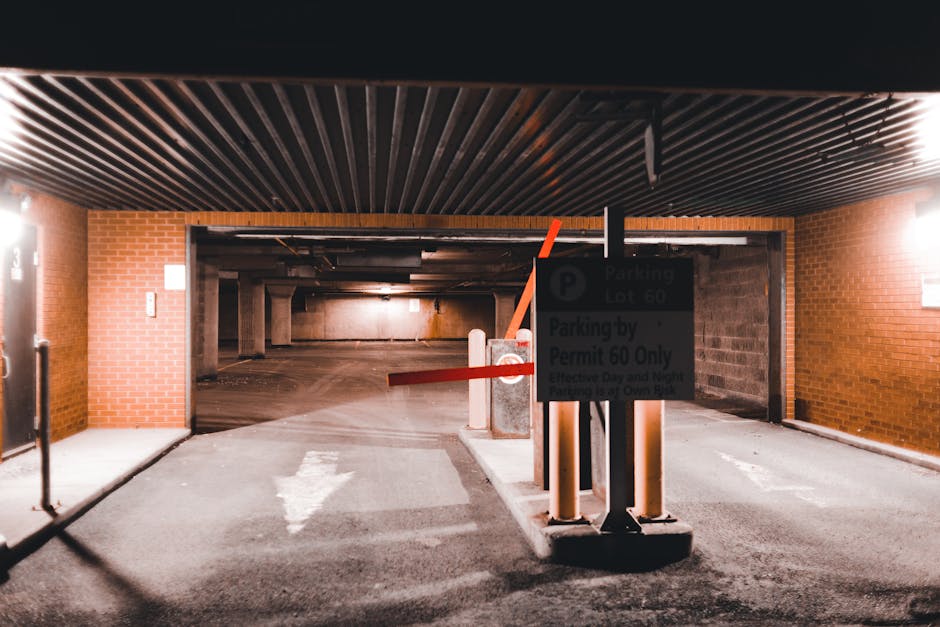
Permit requirements for Ealing Broadway loading bays
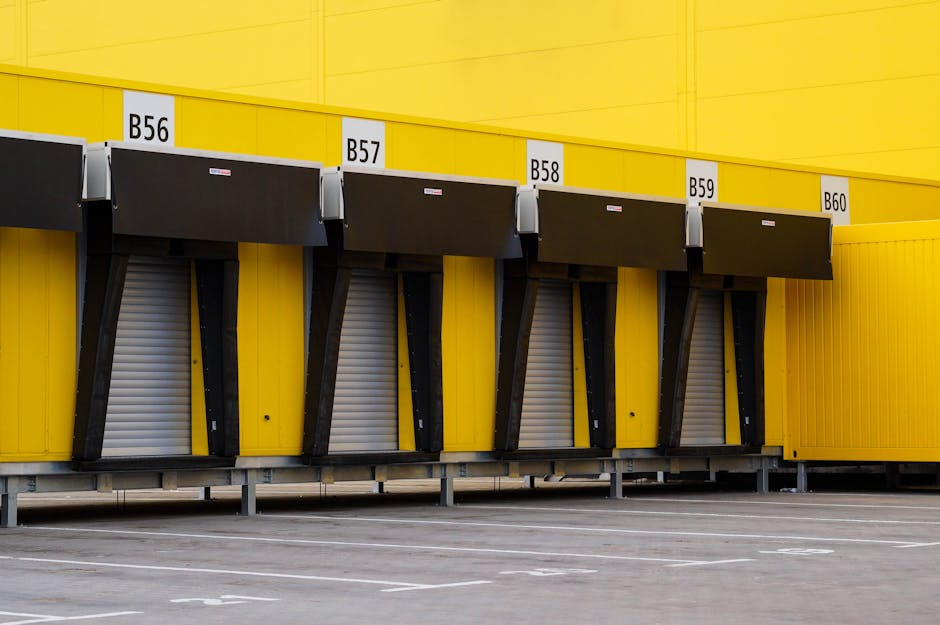
If you are trying to unload furniture, deliver stock, or manage a move near Ealing Broadway, the loading bay can look like the simplest part of the job. Then reality kicks in: the bay is busy, the kerb space is limited, traffic moves quickly, and one missed permit detail can throw the whole schedule off. Permit requirements for Ealing Broadway loading bays matter because they decide whether your vehicle can stop legally, for how long, and under what conditions. Get it right and the day feels calm. Get it wrong and, well, you may be paying for the mistake in time, stress, and avoidable disruption.
This guide explains how loading bay permissions usually work, why they matter for homes and businesses, and how to prepare without overcomplicating things. It is written for anyone planning a removal, delivery, office move, or one-off bulky item collection around Ealing Broadway. You will also find practical checks, common mistakes, and a straightforward way to decide whether you need a permit, a booking, or a different plan altogether.
Why permit requirements for Ealing Broadway loading bays matter
Loading bays exist to keep goods movement organised in tight urban areas. In a place like Ealing Broadway, that matters more than most people expect. You are dealing with a busy West London environment, shared kerb space, pedestrians, buses, taxis, trades vehicles, and the usual stop-start rhythm of city traffic. A loading bay is not simply a place to park a van for convenience. It is a controlled space, often tied to specific time windows, vehicle types, or operational rules.
The main reason permits matter is simple: they protect access. The bay needs to be available for the right user at the right time, and the rules help reduce conflict between deliveries, removals, and general traffic. For the driver, this means you must know whether the bay is pay-and-display, shared use, permit-only, or subject to local loading restrictions. For the person moving, it means planning the job around the actual rules rather than the hoped-for ones. Those are never the same thing.
There is another side to it too. A well-planned loading bay stop can save a lot of walking, lifting, and repeated trips from a distant parking spot. That is a big deal when you are handling heavy boxes, office equipment, or awkward pieces of furniture. You do not want a sofa halfway up a narrow stairwell and a vehicle parked two streets away. No one enjoys that part.
In practice, permit requirements help you balance access with compliance. They are part legal control, part operational common sense. And for local moves, they can be the difference between a tidy 30-minute unload and a frustrating scramble in the middle of the road.
How permit requirements for Ealing Broadway loading bays work
The exact arrangement can vary depending on the bay, the road, the time of day, and the type of activity you are carrying out. That is why it helps to think of loading bay access in layers rather than assuming one rule fits all. A bay may allow loading only during specific hours, may require a parking permission of some kind, or may be reserved for active loading and unloading rather than waiting around.
In plain English, the process usually looks like this:
- Identify the bay you want to use and check the signs at the location.
- Confirm whether the bay is for loading only, permit holders, or time-limited parking.
- Check any restrictions on vehicle size, hours, or maximum stay.
- Work out whether your activity qualifies as loading or unloading rather than general parking.
- Arrange the right permit, booking, or operational plan before the vehicle arrives.
That sounds straightforward, but the nuance matters. A vehicle stopped at a loading bay with the engine off is not automatically compliant. The stop must usually be for active loading or unloading, meaning the driver is genuinely moving items in or out. If everyone is standing around waiting for keys, a lift, or the customer to arrive with the front door code, the bay may no longer count as active use. To be fair, that catches people out all the time.
There may also be separate needs depending on the kind of move. A local home move might need one kind of access plan, while a commercial delivery could need another. If your van is larger, if the job takes longer, or if you expect repeated trips, the simplest route is often to plan for a dedicated vehicle and a coordinated loading window. Services such as man and van support for local moves or a larger moving truck can make that timing easier to manage when the bay space is tight.
Some people also use temporary vehicle support alongside a move, especially if they are shifting boxes from storage or handling bulky items in stages. In those cases, the important thing is not just the vehicle size but whether the stop is quick, orderly, and within the bay rules. That is the heart of it.
Key benefits and practical advantages
Getting the permit side right may not feel exciting, but it has some very real benefits. Most of them are practical, and they show up on the day when time is short and everyone is slightly tired.
- Less risk of enforcement action: You reduce the chance of a penalty or a forced move-away if the vehicle is properly authorised.
- Faster loading and unloading: A legitimate bay stop keeps the vehicle close to the property, which saves time and effort.
- Better move coordination: The crew can work to a real access plan instead of improvising around parking problems.
- Lower physical strain: Shorter carrying distances mean less fatigue, fewer dropped items, and fewer awkward lifts.
- Fewer delays for neighbours and traffic: A compliant setup tends to reduce stress for everyone around the site.
There is also a softer advantage: confidence. When the driver knows the bay arrangement is sorted, the whole job feels calmer. You can hear the back doors close, see the stack of boxes settle into place, and just get on with the work. That little bit of certainty matters more than people think.
For businesses, the advantages are even clearer. If you are handling stock, supplies, or an office relocation, a properly planned bay stop can keep staff productive and reduce downtime. It can also help with professional presentation. Nobody wants a reception area full of boxes because the van had to park half a mile away. If you are planning a business move, commercial moving support and office relocation services can be useful when access timing has to be managed carefully.
Who this is for and when it makes sense
Permit requirements for Ealing Broadway loading bays are relevant to a wider group than many people expect. If you are picturing only large removals, think again. The issue applies to a lot of everyday scenarios.
- Home movers: Anyone moving flats, houses, or single items near Ealing Broadway may need controlled kerbside access.
- Office teams: Small businesses relocating equipment, files, screens, and chairs need clean loading access more than they realise.
- Retail and hospitality operators: Deliveries, stock drops, and fit-out work often hinge on whether the bay is available at the right time.
- Furniture collection customers: If a sofa, wardrobe, or table needs to be removed from a property, the vehicle should be positioned safely and legally.
- Man-with-van users: People booking smaller, flexible transport often assume they can stop anywhere for a minute. That is where trouble starts.
It makes sense whenever the vehicle needs to stop close to the building and the kerb space is controlled or limited. Truth be told, if you are asking yourself, "Can we just pull up outside for a bit?", you are probably already in the zone where permit checks matter.
Homeowners often underestimate this because the move seems small. One mattress, a few boxes, one fridge. Easy, right? Then the bay is occupied, the street is narrow, and the driver has to keep circling while the clock ticks. For a tighter domestic move, home moving help or house removalists can make the logistics easier to manage.
On the other hand, if you are picking up a single item, the process might still be worth checking before you arrive. A small job can become a bigger headache if the only legal stopping point is farther away than expected. And nobody wants to carry a sideboard down a busy street at rush hour. Not ideal.
Step-by-step guidance
If you want the shortest path to a sensible loading bay plan, follow this sequence. It is simple, but it saves a surprising amount of confusion.
- Confirm the exact location. Do not rely on memory or a rough postcode. Loading bay rules can vary from one stretch of road to the next.
- Read the road signs on site. Signs tell you the permitted activity, time limits, and any user restrictions. They are the first source you should trust.
- Match the bay to your task. Ask whether you are loading, unloading, delivering, collecting, or waiting. These are not always treated the same way.
- Estimate the time properly. Give yourself a buffer for stairs, lifts, traffic, and last-minute delays. The schedule always looks easier on paper.
- Decide who will manage the vehicle. Someone should stay with the van if required, especially when loading is active and space is limited.
- Prepare items before arrival. Boxes sealed, furniture wrapped, labels visible, route clear. The less faffing around, the better.
- Keep proof and paperwork to hand. If a permit, booking confirmation, or job reference is needed, have it accessible before you park.
- Monitor the stop while loading. If the work slows down or pauses, review whether you are still within the permitted use of the bay.
If you are using a service provider, this is the stage where coordination matters. A good mover will think about bay access before the first box is lifted. They should know how to sequence the load, keep the vehicle ready, and prevent the annoying chain of delays that comes from poor planning. A bit of packing support can help too, especially for fragile or awkward items; see packing and unpacking services if you want the handover to be smoother.
One practical tip: build your access plan backwards from the time the vehicle must leave the bay, not the time it arrives. That small shift in thinking usually improves the whole operation. It is one of those tiny professional habits that makes a big difference.
Expert tips for better results
Here are the kinds of things that experienced movers and local operators tend to think about before they arrive. None of these are flashy, but they are the details that prevent stress.
- Arrive a little early, not exactly on time: A five- or ten-minute margin can help you spot a blocked bay or a changed traffic pattern.
- Use the right vehicle size: A van that is too large may not fit the bay safely; one that is too small may create extra trips.
- Keep the load sequence tight: Heavy items first, then awkward items, then lighter boxes. It makes the stop faster.
- Choose the calmest access side: If the property has more than one possible entrance, use the one that gives the shortest carry.
- Have one person watching the street: In busier spots, a second set of eyes helps when pedestrians, cyclists, or another vehicle drift in.
- Plan for weather: Rain turns a simple unload into a slippery, slower job. Wet cardboard is a nuisance, and everyone knows it.
Another useful point: if the job involves office equipment, fixtures, or anything with cables, do not leave disconnection until the van arrives. That sort of delay is exactly how a permitted stop becomes a rushed scramble. For workplace moves, a well-structured service like office relocation services can reduce that risk.
And if the move includes a large item pick-up, think about wrapping, handles, and routes in advance. I have seen perfectly legal loading stops become awkward simply because a wardrobe would not turn the corner by the stair rail. Small thing, big headache. That is the kind of thing people only notice when it is already happening.
Common mistakes to avoid
Most loading bay problems are not dramatic. They are ordinary oversights. The trouble is that ordinary oversights become expensive when a vehicle is already on the street.
- Assuming all loading bays are the same: They are not. Different streets and times can mean different rules.
- Confusing loading with parking: If the vehicle is stopped but no active loading is happening, the stop may not be valid.
- Not checking the time window: A bay that allows loading in the morning may be restricted later in the day.
- Leaving paperwork in the cab somewhere: Which is exactly where you cannot find it when someone asks. Typical, really.
- Underestimating the time needed: Stairs, lifts, traffic, and awkward furniture add up fast.
- Ignoring vehicle size: Oversized vans can be clumsy in tight bays and may create a safer-looking but less workable setup.
- Failing to brief the crew: If the driver and loaders are not aligned, the stop becomes slower and more exposed.
A less obvious mistake is treating a small move as if it has no compliance risk. Even one item can trigger parking trouble if you use the wrong stopping point. That is why many people choose a flexible local transport option, such as man with van support or removal truck hire, depending on the load and the street conditions.
The fix is usually boring, but effective: check first, book or plan second, and only then bring the vehicle in. Boring is good here.
Tools, resources and recommendations
You do not need a complicated toolkit to manage loading bay access well. You mainly need a clear plan and a few sensible supports.
- Street sign photographs: Take clear photos of the bay signage before the move. It helps settle any question later.
- Job notes or a move sheet: Write down arrival time, unload order, contact name, and any special access instructions.
- Inventory list: A simple list of items helps keep the vehicle stop efficient and prevents back-and-forth confusion.
- Protective packing materials: Blankets, straps, wraps, and cartons all reduce handling time and damage risk.
- Vehicle choice: Smaller vehicles can help in tight urban bays, but larger vehicles may be better if the load is substantial.
If you need the move organised from end to end, it can be useful to combine vehicle support with handling help. For example, a local man-and-van service can work well for smaller jobs, while a larger vehicle and crew may be more suitable for office or house moves. For furniture-only jobs, furniture pick-up is often the cleaner solution.
For additional reassurance, you can also review the company information pages. If you want to know who you are dealing with, about us is the place to start, and contact us is the next sensible step if you need help planning a specific loading bay move. It is also wise to read the terms and conditions and privacy policy when you are booking services, just to know how the process works.
Law, compliance, standards, and best practice
This topic sits at the intersection of local traffic control, parking enforcement, and safe loading practice. Because rules can differ by street and by time, the safest approach is to treat the site signage and the relevant local authority guidance as the deciding factors. If something on the road sign conflicts with your assumption, the sign wins. That is the simple version, and it is usually the right one.
In UK practice, loading is generally understood as active movement of goods between the vehicle and the premises, not general waiting. That distinction matters. A van can be on a legitimate loading bay stop only if the loading activity is real, continuous, and proportionate to the task. If the activity pauses for too long, or if the stop turns into convenience parking, the justification weakens quickly.
Best practice also means thinking about safety, not just compliance. Keep pedestrian routes clear where possible. Use proper manual handling techniques. Avoid blocking sightlines for cyclists or drivers. A loading bay arrangement may be temporary, but the risks are very real in the moment. It is easy to forget that when you are under pressure and trying to finish before the rain starts again.
Where a permit or booking system is required, make sure the details match the vehicle and activity exactly. Wrong date, wrong time, wrong vehicle registration, wrong location - each of these can undermine the whole arrangement. It sounds obvious, but those are the mistakes that most often show up on busy days.
One more practical point: keep the crew informed of the plan if the job involves multiple people or multiple stops. Compliance is easier when everyone knows the sequence. A confused crew can turn a lawful access plan into a messy one very fast.
Options, methods, or comparison table
When planning access near Ealing Broadway, there are usually a few ways to handle the job. The best option depends on how much you are moving, how long you need the bay, and how tight the street is.
| Option | Best for | Strengths | Trade-offs |
|---|---|---|---|
| Small van with active loading | Light home moves, a few boxes, single items | Easier to manoeuvre, quicker kerbside use | May require more trips if the load grows |
| Larger moving truck | Bulkier moves, more furniture, office equipment | Fewer trips, better for bigger jobs | Harder to position in tight streets or bays |
| Man and van service | Flexible local moves and collections | Good balance of cost and convenience | Capacity may be limited for larger jobs |
| Full moving support | Busy home or business relocations | Better coordination, less lifting pressure | More planning needed, usually more involved |
If you are unsure which route suits you, think about the number of items first, not the vehicle you already have in mind. People often start by asking, "Can I fit this in a van?" A better question is, "How long will the bay need to stay productive while we load this safely?" That one tends to lead to better decisions.
Case study or real-world example
Imagine a small business moving from a first-floor office near Ealing Broadway into a new workspace a short distance away. The team has monitors, desk chairs, boxed files, and a couple of awkward printer units. At first glance, it looks like a simple van job. Then the building access is checked: there is a narrow street, a loading bay with a limited stay window, and a busy period in the middle of the day.
The team adjusts the plan. Packing is completed the afternoon before, labels are added to each box, and breakables are wrapped separately. The vehicle arrives slightly early to confirm the bay is clear. One person stays with the van while the others move items in a steady sequence. Heavy items go in first. Loose cables are kept out of the way. The loading stop stays active and tidy, so the move finishes without unnecessary delay.
Nothing dramatic happens. Which is exactly the point. No shouting in the street, no last-minute parking drama, no furniture sitting awkwardly on the pavement while someone runs off to find a space. It is not glamorous, but it is the kind of calm execution that makes a local move feel professional.
For a home version of the same situation, the pattern is similar. A family moving a few streets away may use home moves support and a smaller vehicle to keep the loading stop short and manageable. If they also need help unpacking, that extra support can save an entire evening of box-shuffling and sighing.
Practical checklist
Use this checklist before the vehicle arrives. It is not fancy, but it works.
- Confirm the exact loading bay location.
- Read the on-street signs carefully.
- Check whether the bay is time-limited or restricted.
- Match the vehicle size to the street and the load.
- Prepare all items before the stop begins.
- Assign one person to manage the vehicle if needed.
- Keep paperwork and booking details accessible.
- Allow extra time for stairs, lifts, and traffic.
- Protect fragile or bulky items before loading.
- Make sure the stop stays active and purposeful.
Quick expert summary: the safest way to handle loading bay access is to verify the sign, keep the activity active, use the right vehicle, and plan the move so the bay time is used efficiently. Simple rules, but they save a lot of grief.
If you are planning a move, collection, or delivery near Ealing Broadway, it is worth getting advice early rather than trying to improvise on the day. A little planning now can save a lot of walking, waiting, and apologising later.
Get a free quote today and see how much you can save.
Conclusion
Permit requirements for Ealing Broadway loading bays are really about making a busy place workable. They help you keep the vehicle close, keep the job moving, and stay on the right side of local restrictions. Once you understand the loading bay signs, the time limits, and the difference between active loading and casual stopping, the whole thing becomes much less mysterious.
For many people, the real challenge is not the permit itself. It is the planning around it. The best results usually come from choosing the right vehicle, preparing items in advance, and keeping the stop efficient. That is true whether you are moving house, relocating an office, or collecting furniture. And honestly, a bit of preparation makes the day feel far less chaotic.
So if you are about to use a loading bay near Ealing Broadway, take a breath, check the details, and give yourself enough time to do it properly. That calm start often sets the tone for the whole move.
Frequently Asked Questions
Do I always need a permit to use an Ealing Broadway loading bay?
Not always. It depends on the specific bay, the road signs, the time of day, and whether the space is restricted or reserved. Some bays are for active loading only, while others may have separate parking rules. Always check the sign at the exact location.
What counts as loading and unloading?
Loading and unloading usually means active movement of goods between the vehicle and the property. It is not the same as parking or waiting. If the vehicle is stopped but nobody is actually moving items, the justification for the stop may be weak.
Can I leave the van unattended in a loading bay?
That depends on the bay rules and the nature of the activity. In some situations, the vehicle should stay under active supervision. If the stop needs to remain valid as loading, leaving the van unattended for long periods is risky. Better to plan for someone to stay with it.
How long can I stay in a loading bay?
There is no single answer. Stay times vary by location and signposted restrictions. Some bays allow only short stops, while others are more flexible within set hours. Check the on-street information before you begin.
What happens if I stop in the wrong place?
You may face enforcement action, delays, or the need to move the vehicle immediately. Even if the job is small, the wrong stop can create avoidable stress. It is usually cheaper and easier to verify access first.
Is a loading bay the same as a resident parking bay?
No. A loading bay is generally intended for active goods movement, while resident bays are for permit holders or other authorised parking arrangements. The rules are different, and confusing them can lead to problems very quickly.
Do home moves near Ealing Broadway need special planning?
Yes, especially if the street is busy or the property is hard to access. Even a small home move can run into loading bay issues if the vehicle needs to stop close to the entrance. Planning the vehicle size and timing helps a lot.
Are larger moving trucks suitable for Ealing Broadway streets?
Sometimes, but not always. Larger trucks are helpful for bigger loads, yet they can be harder to position in tight streets and small bays. For some jobs, a smaller van is simply more practical.
What should I prepare before the vehicle arrives?
Have items packed, labelled, and ready to load. Clear routes inside the property, protect fragile goods, and keep paperwork accessible. The faster the active loading begins, the easier it is to stay within the permitted stop.
Can a man and van service help with loading bay access?
Yes. A good man and van team can help coordinate timing, vehicle positioning, and the loading sequence. That can be especially useful in busy areas where the bay time needs to be used efficiently. See man and van support if you need a flexible option.
What is the best way to avoid mistakes with loading bays?
Read the signs, plan the timing, use the right vehicle, and keep the loading active. Those four habits prevent most of the common problems. It sounds basic, but that is often what works best.
Who should I contact if I need help planning a move?
If you need help with transport, packing, or a more structured move, start with a provider that understands local access challenges. You can review about us for background and use contact us to discuss your job in more detail.