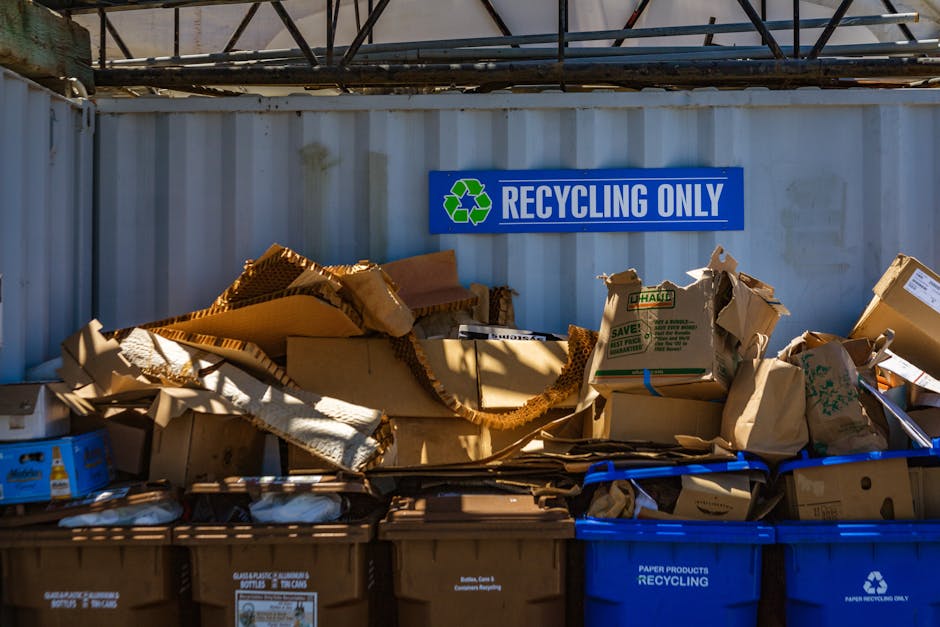
Eco-friendly disposal and recycling for Ealing moves
Moving home or office in Ealing can feel like a strange mix of excitement and mild chaos. There are boxes everywhere, half-used cleaning products, furniture you forgot you owned, and that one drawer full of chargers that nobody wants to touch. This is exactly where eco-friendly disposal and recycling for Ealing moves starts to matter. It is not just about being "green" for the sake of it. It is about moving more intelligently: keeping useful items in circulation, reducing landfill, avoiding last-minute waste runs, and making the whole process calmer.
Whether you are clearing a flat near Ealing Broadway, relocating a busy office, or helping a parent downsize after years in the same house, the same question comes up: what should stay, what should go, and how do you get rid of things responsibly? This guide walks through the practical side of greener moving, with clear steps, realistic examples, and a few hard-won lessons that save time, money, and unnecessary clutter.
Table of Contents
- Why eco-friendly disposal and recycling for Ealing moves matters
- How eco-friendly disposal and recycling works
- Key benefits and practical advantages
- Who this is for and when it makes sense
- Step-by-step guidance
- Expert tips for better results
- Common mistakes to avoid
- Tools, resources and recommendations
- Law, compliance, standards, or best practice
- Options, methods, or comparison table
- Case study or real-world example
- Practical checklist
- Conclusion
- Frequently asked questions
Why Eco-friendly disposal and recycling for Ealing moves Matters
A move creates waste faster than most people expect. One minute you are "just sorting the spare room," the next you are standing in front of three bags of mixed rubbish, a broken lamp, two almost-good chairs, and a printer that has not worked properly since 2021. If you handle all of that badly, a move becomes more expensive, more wasteful, and a lot less organised.
Eco-friendly disposal matters because moving is one of the easiest moments to make better choices. You are already making decisions about what to keep, what to pack, and what no longer belongs in your life or business. That makes this the ideal time to separate reusable items from recyclable materials and from genuine waste. Simple, but powerful.
There is also a local angle. Ealing is a busy part of west London, and moving jobs here often involve tight streets, limited parking, shared access, and neighbours who notice everything. A well-planned disposal process avoids fly-tipping risks, reduces unnecessary van trips, and helps keep communal areas tidy. To be fair, nobody wants to be the person leaving a mattress in the hallway "just for a minute."
For families, the main benefit is emotional as much as practical. For businesses, it can improve efficiency and reduce disruption. For landlords and tenants, it helps with faster handovers and clearer property condition. The core idea is simple: move what is worth moving, recycle what can be recycled, and dispose of the rest through proper channels.
Key takeaway: greener moving is not an extra task bolted onto the end. It is a smarter way to plan the move from day one.
How Eco-friendly disposal and recycling for Ealing moves Works
The process works best when you think in categories, not just in "keep or bin" terms. In practice, eco-friendly disposal during a move usually falls into four groups:
- Keep and move - items worth taking to the new place.
- Reuse or donate - furniture, appliances, clothing, books, and household goods still in decent condition.
- Recycle - cardboard, paper, metals, some plastics, glass, and certain electrical items depending on the recycling route.
- Dispose responsibly - damaged, contaminated, or non-recoverable items that should go to the right waste stream.
The practical trick is doing the sorting before moving day. That means opening cupboards early, not the night before. If you leave it too late, everything starts looking like "maybe we'll need this," which is how unwanted junk gets moved into a new home and sits there for another three years. Nobody needs that kind of emotional baggage.
For larger or awkward items, it often makes sense to combine sorting with transport planning. For example, if you are moving bulky furniture, you may want to separate items that are suitable for collection from those that should be taken for disposal. Services such as furniture pick-up can be useful when you need unwanted furniture removed as part of the moving process, while a man and van arrangement can be practical for smaller loads where careful handling matters more than sheer volume.
Eco-friendly disposal also depends on clean sorting. Mixed bags are a problem because recyclable material contaminated with food, paint, liquids, or broken items can become unrecoverable. So it helps to keep cardboard dry, separate electronics from general rubbish, and avoid stuffing everything into one black bag just to "deal with later." Later is where the trouble starts.
Key Benefits and Practical Advantages
There are obvious environmental benefits, but the practical wins are often what convince people to stick with a greener plan.
- Less waste overall: items get reused, repaired, donated, or recycled instead of thrown away automatically.
- Lower moving stress: fewer unnecessary items means fewer decisions on moving day.
- Cleaner packing process: you pack only what is genuinely going with you.
- Better space management: the new home or office starts with less clutter.
- Improved cost control: fewer loads, less labour, and fewer disposal surprises can help the budget.
- More responsible handover: especially useful for rentals, office leases, and end-of-tenancy moves.
There is a subtle but real benefit too: you arrive at the new place with a clearer head. That sounds a bit airy, maybe, but anyone who has moved a load of unnecessary furniture upstairs in the rain knows the feeling. The fewer pointless items you transport, the better the first day in your new space will feel.
For commercial moves, the advantage goes beyond tidiness. Offices often contain old monitors, excess stationery, broken chairs, archived files, and mixed packaging. When sorted well, much of this can be reused, securely cleared, or recycled in a controlled way. If your business move includes that kind of tidying-up, services such as commercial moves and office relocation services can help align disposal with the relocation schedule.
Who This Is For and When It Makes Sense
Honestly? Almost anyone moving in Ealing can benefit from this approach. But it is especially useful in a few common situations.
Home movers
If you are moving from a flat, maisonette, family house, or shared property, you will probably discover a surprising amount of unused stuff. Old cookware, duplicate mugs, bedding you forgot about, broken storage boxes, and furniture that no longer fits the next space all tend to surface at the same time. Home moves are the perfect moment to make better disposal choices, especially if you are using home moves or working with house removalists.
Downsizers
When someone is moving into a smaller place, eco-friendly disposal becomes especially helpful. You do not want to crowd the new home with things that do not fit, and you definitely do not want to pay to move items only to dispose of them later.
Business owners and office managers
Businesses often need to remove IT equipment, old furniture, packaging, and archived materials in a structured way. The greener route is usually the tidier one too. If you are planning a workplace move, pairing disposal with packing support through packing and unpacking services can make the process smoother and less chaotic.
Landlords, tenants, and letting agents
End-of-tenancy moves often involve a mix of cleaning, waste sorting, and making sure the property is left in good shape. Responsible recycling helps avoid awkward disputes and keeps the handover simpler.
Families dealing with inherited items
This can be a tender process. Not everything needs to be kept, but not everything should be thrown away either. A careful, staged approach is kinder and usually more efficient.
Step-by-Step Guidance
If you want eco-friendly disposal to actually work, follow a process. The order matters.
- Start with a room-by-room audit. Go through one area at a time and separate items into keep, donate, recycle, sell, and dispose. A quick pass is better than a perfect plan that never starts.
- Identify reusable items early. Good furniture, working appliances, and clean household goods should be set aside before anything gets packed.
- Check recyclables by material type. Flatten cardboard, keep paper dry, separate metal items, and treat electronics carefully.
- Set aside hazardous or special waste. Paint, chemicals, batteries, fluorescent tubes, and some electrical items need extra care. Do not mix them with general rubbish.
- Choose the right collection or removal method. Smaller loads may suit a man with van approach, while bulkier items may need a moving truck or removal truck hire.
- Bundle disposal with your moving timetable. Schedule unwanted-item removal before moving day where possible, so the property is easier to pack and clean.
- Double-check what is actually leaving. A final sweep of cupboards, loft spaces, and under-bed storage often reveals the odd forgotten item. Every move has one.
One practical tip: keep a "do not move" corner. That means a marked area for items that are leaving the house but not going with the main load. It sounds simple because it is, and simple things tend to save the most time.
If you are dealing with a large pile of items, a moving company that understands handling and clearance logistics can make a visible difference. It is not just transport; it is sequencing. That is what keeps the whole day from turning into a shuffle of boxes and random decisions.
Expert Tips for Better Results
After enough moves, a pattern becomes obvious: the people who prepare early have the calmest moving days. Here are the habits that make the biggest difference.
- Use the three-touch rule: if you pick an item up twice and still do not want it, it is probably not worth keeping.
- Keep recyclables clean and dry: one damp cardboard box can spoil a neat pile fast.
- Take photos of useful items for quick decisions: this helps if family members or colleagues need to approve what goes.
- Label disposal bags clearly: "recycle," "donate," "electrical," and "general waste" is enough.
- Move from the outside in: start with garages, sheds, storage cupboards, and spare rooms before touching everyday items.
- Leave special waste to the end: it is easier to deal with once the main declutter is done.
Here is a small but useful observation: people are usually very decisive about broken things once they are physically standing next to them. The cupboard version of an item feels more hopeful than the item in your hand. Strange, but true.
Another tip: if you are using a removal service, tell them in advance what is being moved and what is being removed for disposal. Clear instructions reduce accidental loading and save awkward "wait, that was not going" moments at the door.
Common Mistakes to Avoid
Greener disposal is straightforward, but a few mistakes keep appearing.
- Leaving sorting until the day before: this creates panic and leads to bad decisions.
- Mixing recyclables with general waste: contaminated material often loses recycling value.
- Moving unwanted items "just in case": this only shifts the clutter to the new address.
- Forgetting about bulky waste: mattresses, wardrobes, desks, and broken seating need a plan.
- Ignoring special items: batteries, electricals, and chemicals need proper handling.
- Assuming one collection option fits everything: it rarely does.
A common one is underestimating volume. A few items in the hallway can become a van-full once they are grouped together. Another is sentimental overload. Truth be told, moving often becomes a small referendum on your past life, which is why decisions can feel heavier than they should. Give yourself time. You do not need to decide everything in one go.
Tools, Resources and Recommendations
You do not need fancy systems to move more sustainably. A few simple tools are usually enough.
- Four or five sturdy boxes or bags for sorting by category.
- Permanent marker labels so each pile stays clear.
- Phone camera to document items for donation, sale, or family approval.
- Basic packing materials for items that are keeping their place in the move.
- Stretch wrap or covers for furniture that is being moved but not disposed of.
For practical moving support, a local service can make a big difference. If you need help moving items out in a controlled way, a short-haul transport option such as man and van can be handy for mixed loads. If your move involves large or awkward furniture, moving truck options are often more suitable. And if the job is part of a fuller home move, home moves support can help keep everything on one coordinated plan.
If you are replacing furniture rather than relocating it, item collection services can simplify the handover. And if you want the whole space sorted more efficiently, packing and unpacking services can reduce the amount of clutter that slips through the cracks.
Law, Compliance, Standards, or Best Practice
Waste and disposal in the UK should be handled responsibly, and that means using legitimate routes for rubbish, recycling, and collection. Without turning this into a legal lecture, the practical principle is clear: do not dump items, do not leave waste in communal areas, and do not assume everything can go into one bag and disappear.
For household moves, the best practice is to separate reusable goods from waste and treat hazardous or electrical items carefully. For commercial moves, there may be extra expectations around records, data-bearing equipment, office furniture, and controlled disposal of business waste. If you are clearing workplace items, be especially careful with anything that may contain confidential information or sensitive materials. Shredding, secure destruction, and controlled handover are often part of sensible business practice.
It is also sensible to work with a removal provider that is transparent about what it can carry, what it can remove, and how items are handled. The key here is trust. If you are not clear on what is included, ask before moving day. That is much easier than sorting it out while standing in a half-packed kitchen with a roll of tape in your hand.
If you want to understand a provider's service boundaries and conditions, you can review the site's terms and conditions and privacy policy. Those pages are useful for setting expectations before work begins.
Options, Methods, or Comparison Table
There is no single best method for every move. The right choice depends on how much you have, what kind of items you are dealing with, and how much hands-on help you need.
| Method | Best for | Pros | Trade-offs |
|---|---|---|---|
| Self-sorting and local recycling | Small, well-organised moves | Low cost, full control | Time-consuming, easy to miss items |
| Furniture collection | Bulky items in decent or mixed condition | Convenient, reduces lifting | May not suit every item type |
| Man and van support | Smaller moves and selective clear-outs | Flexible, practical for mixed loads | Capacity may be limited for large moves |
| Truck-based removal | Larger households or office moves | Efficient for bigger loads | Needs more planning and access space |
| Full packing and relocation support | Busy homes, offices, or time-sensitive moves | Reduces stress, better organisation | Less DIY control over the process |
In many Ealing moves, the best result comes from combining methods. For example, you might clear unwanted furniture first, recycle cardboard separately, and then use a van or truck for the actual move. That layered approach is usually cleaner, calmer, and more economical than treating every item the same.
Case Study or Real-World Example
A typical example: a couple moving from a two-bedroom flat in Ealing to a smaller terraced home nearby. They had a sofa that would not fit downstairs, two old shelving units, half a garage of mixed household items, and a stack of boxes from a previous move that had somehow followed them for years.
Instead of packing everything first, they sorted the non-essential items a week ahead. The sofa and shelving units were set aside for collection, cardboard was flattened and kept dry, and a small bag of electrical items was separated from general waste. A few reusable kitchen items were given to relatives, and some duplicate decor went straight out of the move list.
By the time moving day arrived, the property was lighter and easier to pack. Fewer items meant fewer trips, less lifting, and less confusion about what was going where. The first evening in the new place was calmer too. No massive pile of "we'll sort it later" boxes in the corner. Just the useful stuff, which is how it should be.
This is the real value of eco-friendly disposal: it does not just reduce waste. It improves the move itself.
Practical Checklist
Use this checklist to keep the process tidy and realistic.
- Walk through every room and identify items you do not want to move.
- Separate reusable, recyclable, and disposable items early.
- Keep cardboard and paper dry and flattened where possible.
- Put electrical items aside for proper handling.
- Check for batteries, liquids, and other special waste before packing.
- Arrange furniture removal or item collection if needed.
- Label all boxes and waste piles clearly.
- Tell your movers which items are staying, going, or being disposed of.
- Do a final sweep of cupboards, loft spaces, sheds, and storage corners.
- Leave the property tidy and make sure nothing recyclable has been accidentally thrown away.
If you are moving with a tight schedule, focus on the highest-impact areas first: furniture, cardboard, electronics, and anything bulky. That is where the biggest gains usually are.
Conclusion
Eco-friendly disposal and recycling for Ealing moves is really about moving with judgement. Keep what matters, pass on what still has value, recycle what can be recovered, and dispose of the rest properly. Done well, it makes the move lighter in every sense. Less clutter, less waste, less stress.
And yes, it takes a bit of upfront effort. But the payoff is immediate. Your boxes are easier to manage, your new place starts cleaner, and the whole process feels more intentional. That is worth a lot on a moving day when the kettle is still packed and everyone is slightly tired.
If you are planning a home, office, or mixed move in Ealing, a well-organised service can make the disposal side much easier to manage alongside transport and packing. A bit of planning now can save a surprising amount of scrambling later.
Get a free quote today and see how much you can save.
Frequently Asked Questions
What does eco-friendly disposal mean during a move?
It means sorting items so reusable goods are kept in circulation, recyclable materials are separated correctly, and only genuine waste is disposed of. In practice, it is a more thoughtful way to handle moving clutter.
Is it worth recycling cardboard and packing materials from a move?
Yes, especially because moving creates a lot of cardboard and paper packaging. Flattening boxes, keeping them dry, and separating clean materials makes recycling far easier.
What should I do with furniture I do not want to take?
If the furniture is still usable, consider reuse, donation, or collection. If it is damaged or unsuitable, arrange responsible disposal rather than leaving it in communal spaces or outside the property.
Can a man and van service help with recycling and disposal?
It can, depending on the provider and the items involved. A flexible transport option is often useful for moving selected items out for collection, recycling, or disposal as part of a wider move.
How early should I start sorting items before a move?
Ideally, start at least a week or two ahead for a small move, and earlier for a larger home or office move. The more time you give yourself, the less likely you are to keep unnecessary items.
What items are hardest to recycle during a move?
Mixed-material items, contaminated packaging, some electronics, and hazardous materials usually need the most care. Batteries, liquids, and damaged electricals should never be thrown in with general rubbish without checking the right route first.
Is eco-friendly disposal more expensive?
Not always. In many cases, it can actually save money by reducing load size, cutting down on unnecessary transport, and avoiding last-minute disposal problems. The cost depends on how much needs moving or removing.
What if I am moving from an office rather than a home?
Office moves often need extra planning because of furniture, IT equipment, paper records, and business waste. A structured approach makes it easier to separate what is reused, recycled, or removed securely.
Do I need to throw everything away if it cannot be recycled?
No. First check whether it can be reused, repaired, or passed on. Recycling is useful, but reuse is often even better because it extends the life of the item.
How do I avoid mixing waste and keep the move organised?
Use clearly labelled piles or boxes, keep a separate corner for disposal items, and tell everyone helping with the move what each label means. A simple system is usually enough if you stick to it.
What is the best option for large bulky items?
That depends on the item and access. Some bulky items are best handled through furniture collection, while others need removal truck support or a larger vehicle depending on volume and weight.
Where can I find more information about service terms and privacy?
You can review the site's terms and conditions and privacy policy for service expectations and data handling details.