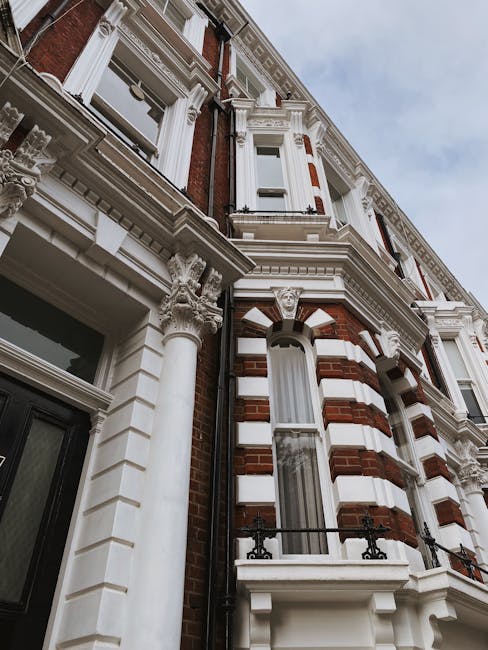
Ealing Common flat removals tips for tight Victorian layouts
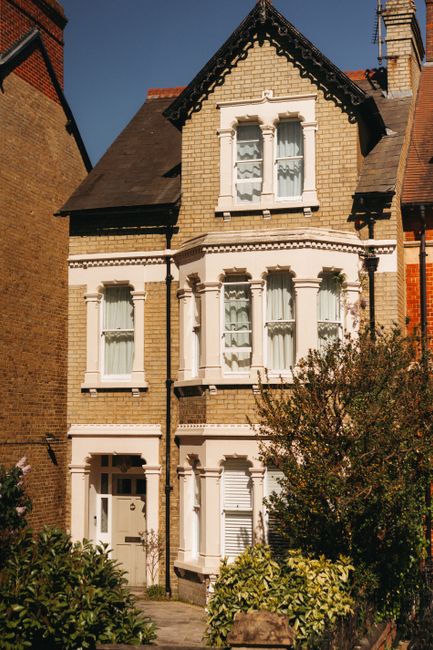
Victorian flats around Ealing Common can be lovely, bright and full of character - and, frankly, a bit awkward to move out of. Narrow staircases, split-level landings, tight front doors, awkward corners and older hallway proportions can turn a simple flat move into a careful puzzle. If you are looking for Ealing Common flat removals tips for tight Victorian layouts, this guide walks you through the practical side of getting furniture out without damage, stress or that awful feeling when the sofa simply will not bend the right way.
To be fair, most moving problems in these homes are predictable. Once you understand the layout, plan your route and pack in the right order, the move becomes much calmer. You will also avoid the classic mistakes: underestimating the stairs, forgetting about parking, or leaving the heavy items until last. Below, you will find the local know-how, the decision points, and the small details that make all the difference on moving day.
- Why tight Victorian layouts matter
- How the moving process works
- Key benefits of planning properly
- Who this is for
- Step-by-step guidance
- Expert tips
- Common mistakes to avoid
- Tools and resources
- Law, compliance and best practice
- Options and comparison
- Real-world example
- Practical checklist
- Conclusion
- Frequently asked questions
Why Ealing Common flat removals tips for tight Victorian layouts Matters
Victorian property layouts are charming, but they were not designed with modern sofas, king-size mattresses, washing machines or modular wardrobes in mind. In Ealing Common, many flats sit in converted houses or period terraces where internal dimensions can be narrower than you expect. Hallways can turn sharply, bannisters can block the cleanest route, and landings can be just wide enough for a person, never mind a bookcase.
This matters because a move that looks straightforward on paper can become physically awkward very quickly. A team may need to rotate furniture in a stairwell, remove table legs, wrap corners carefully or carry items in stages. If you do not plan for that, delays stack up. So do scuffs, sore backs and unnecessary panic.
There is another reason it matters: timing. In a tight building, one blocked corridor or one careless lift of a fridge can slow everyone down. If neighbours are in and out, if parking is limited, or if a loading bay is timed, the move needs a rhythm. That is especially true when you are sharing communal entrances or working around other residents. A little structure goes a long way.
In our experience, the people who cope best are not the ones with the biggest van. They are the ones who measure, sort and simplify early.
Expert summary: In tight Victorian flats, the real moving skill is not strength. It is route planning, selective dismantling, good packing, and not pretending the staircase is wider than it is.
How Ealing Common flat removals tips for tight Victorian layouts Works
The process is simpler when you think of it as route management rather than just "moving stuff". First, you assess the property: staircase width, door swing, ceiling height, hallway turns, parking access and whether furniture can be dismantled. Then you match that against what is being moved. That sounds obvious, yet many people skip it and then wonder why the wardrobe will not exit gracefully. It never does, by the way.
A practical flat removal in a Victorian layout usually follows four stages:
- Survey the route. Walk from each room to the exit and note every narrow point, step and corner.
- Prepare the furniture. Remove legs, shelves, loose glass, curtain rails, lamps and anything fragile or protruding.
- Pack in movement order. Keep priority items accessible and label boxes by room and urgency, not just by contents.
- Load with the exit in mind. Put the hardest items near the tail end of the load so they can be handled with enough space and time.
If you are using a professional team such as man and van support or a larger service like home moves, the same logic still applies. The vehicle is only part of the equation. The real work happens at the point where period architecture meets modern furniture.
A good mover will also think about protection. That means floor coverings, door blankets, edge protection and careful lifting on stairs. The best teams do this almost without talking. You hear a little taping, the hush of protective wrap, maybe a quick check on a landing, and suddenly the awkward sofa is out. Easy? Not really. But controlled. And that is the point.
Key Benefits and Practical Advantages
Planning properly for a Victorian flat move is not just about avoiding problems. It gives you several direct advantages that you will notice on the day and, quite possibly, for a few days after when your shoulders are not complaining quite so loudly.
- Less damage to walls, bannisters and furniture. Tight spaces leave little margin for error, so a measured approach protects both property and possessions.
- Faster loading and unloading. If the route is clear and the right items are dismantled, the whole move flows better.
- Lower stress. Moves feel calmer when you know what is leaving first, what needs disassembly, and where each box belongs.
- Better use of help. Whether you have friends lending a hand or a removals crew, everyone works more effectively with a plan.
- Fewer last-minute surprises. Surprise is fun at birthday parties. Not on moving day.
There is also a financial advantage, even if it is indirect. Damage, delays and extra trips can all add cost. Avoiding them is often cheaper than fixing them later. If you are weighing up different service levels, you may find it useful to compare options such as man with van support versus a fuller removals setup, depending on how much furniture, dismantling and carrying your move will involve.
Another benefit that people often overlook is neighbour goodwill. In a shared stairwell, being organised and quiet matters. No one enjoys a 7:30 a.m. argument with a wardrobe leg. Keep it civil, keep it moving, and everyone has a better day.
Who This Is For and When It Makes Sense
This guidance is especially useful if you live in a converted Victorian flat, maisonette or period apartment near Ealing Common and you already know the building has tight internal access. It also helps if you are moving from a top-floor flat, dealing with a shared entrance, or planning a move that includes bulky items like beds, sofas, dining tables, exercise equipment or large white goods.
You may need this approach if:
- your staircase has a sharp turn or a narrow mid-landing
- your front door opens onto a cramped hallway
- your furniture was bought for a modern flat, not a period property
- you have limited parking outside the building
- you need to move on a specific time slot, perhaps between lease handover and keys for the next place
- you are moving without much professional help and want to keep things safe
It is also a sensible read if you are moving antiques, heirlooms or awkward items with sentimental value. In those cases, a rushed lift is never worth it. If you have something fragile or valuable, it may be wise to read a more specific guide such as moving antiques in Ealing West Ealing and adapt the handling principles to your own flat.
Truth be told, people often search for "removals" when the real problem is "how do I get this one big thing down these stairs without regret?". That is the better question to ask first.
Step-by-Step Guidance
Here is a practical way to handle a move in a tight Victorian layout without making it harder than it needs to be.
1. Measure the awkward bits first
Measure the width of door frames, stair turns, landing space and your largest furniture pieces. Do not rely on memory or guesswork. If you can, write the numbers down. A tape measure and a notepad are boring tools, yes, but they save arguments later.
2. Decide what should be dismantled
Bed frames, wardrobes, shelves, tables and large desks often move better in sections. Remove legs, headboards, drawers and glass where possible. Keep screws and fittings in labelled bags taped to the correct item. Small effort, big relief.
3. Clear the route completely
Hallways, window sills, stair edges and landings should be clear before the first box moves. One forgotten shoe rack or plant pot can create a tiny but annoying obstruction. And on stairs, tiny obstructions become everyone's problem.
4. Pack by urgency and fragility
Essential items should be easy to find. Pack the kettle, bedding, chargers, cleaning supplies and a few mugs separately if you can. Fragile items should be cushioned properly and not buried under heavier boxes. Keep plates and glass upright, not flat.
5. Create a loading order
Start with items that are easiest to access and finish with the awkward, heavy or high-value items. In a Victorian flat, the order matters because once the route is clear, you want to use it efficiently. No backtracking if you can help it.
6. Protect the property as you go
Use blankets, corner protectors, floor coverings and door guards where needed. If the building has painted rails or narrow plaster corners, even a light scrape can be annoying to repair. A little protection is worth the faff.
7. Keep a quiet communication rhythm
Whether it is family, friends or movers, agree on simple calls: stop, lift, rotate, wait, clear. That sounds a touch formal until you are halfway down a landing with a sofa and everyone is talking over each other. Then it becomes very useful indeed.
Expert Tips for Better Results
The small decisions are usually the ones that make a move feel smooth. Here are the details we would pay attention to in a tight Ealing Common Victorian flat.
- Measure furniture diagonals, not just width and height. A sofa may fit numerically and still fail at the corner because the diagonal is the real issue.
- Use soft wrap on corners. Banister posts, table edges and bed frames are the usual casualties.
- Take pictures before dismantling. This is especially handy for beds, shelving units and anything with cables or brackets.
- Move one room at a time. It keeps the flat from turning into a maze of half-packed boxes and missing chargers.
- Schedule heavy items earlier in the day if possible. People are fresher, light is better, and the building tends to be quieter.
- Leave a clear path for your own exit. A lot of people pack right up to the front door, then create a bottleneck right at the end. Bit of a classic, that one.
If you are booking additional help, think about the service fit rather than just the headline price. A smaller vehicle can work well for light loads, but if you have multiple awkward pieces, a service with more lifting support may be easier. For a mixed-size move, some households choose a moving truck or a more flexible collection option like removal truck hire or moving truck support, depending on volume and access.
One more thing: if the move is late notice, do not panic and start throwing everything into boxes at random. Late notice is manageable. Chaos is optional. There is even a specific local guide on speed tips for late-notice flat moves in Ealing if your timing is tight.
Common Mistakes to Avoid
Most awkward flat moves go wrong in surprisingly ordinary ways. You do not need dramatic disasters; you just need one overlooked landing or one overconfident wardrobe.
- Not measuring the route. This is the biggest one. If you do not measure, you are guessing.
- Trying to move everything assembled. Many Victorian staircases simply punish that decision.
- Ignoring parking and access. If the van cannot stop close enough, your loading time can stretch out fast.
- Leaving fragile items loose in mixed boxes. One heavy object on top of another is asking for breakage.
- Forgetting communal rules. Shared buildings often have expectations around noise, access and not blocking entrances.
- Not protecting corners and floors. Scratches are small, but they are irritating and can lead to deposit disputes.
- Underestimating how tiring stairs are. Even fit people tire quickly when carrying awkward loads up and down.
A quieter mistake is emotional, not physical: trying to do too much on the day. Sometimes people decide to empty the loft, clean the oven, dismantle a bed and move the sofa all at once. Brave? Yes. Sensible? Not really.
If you want a practical way to avoid that overload, use a structured approach like a step-by-step packing checklist and keep the moving day focused on transport, not last-minute sorting.
Tools, Resources and Recommendations
You do not need a warehouse full of equipment, but the right few items make a genuine difference.
| Item | Why it helps | Best use in tight Victorian layouts |
|---|---|---|
| Tape measure | Confirms what will actually fit | Check furniture dimensions against stairs and door frames |
| Furniture blankets | Protects surfaces from scratches and impact | Useful on bannisters, table edges and door frames |
| Ratchet straps or strong ties | Keeps dismantled pieces together | Helps when moving bed frames, shelving and table legs |
| Labels and marker pens | Makes unpacking faster and saner | Mark rooms and note priority items |
| Gloves with grip | Improves handling safety | Helpful on stairs and when moving awkward boxes |
| Floor protection | Reduces wear and scuffs | Important in narrow corridors and at entry points |
There are also a few website resources worth keeping in mind if you want to prepare well. If you are deciding between a full crew and a lighter setup, the comparison in man and van versus full crew in Ealing is useful for weighing effort against support. If your move involves bulky waste afterwards, check the practical advice on bulky waste rules after a move so you do not leave disposal until the last minute.
And if your move involves a heavy sofa or a very awkward object, do not be heroic for no reason. Sometimes the smartest choice is to let a trained team handle it rather than inventing an injury on the stairs.
Law, Compliance, Standards, or Best Practice
For removals in Ealing Common, the main compliance issues are usually practical rather than complicated, but they still matter. Parking restrictions, loading access, shared building rules and waste disposal expectations can all affect your move. If you are using a van, check whether the vehicle can stop legally and safely near the property. If any permits, loading bays or suspensions are relevant, plan early rather than assuming you can sort it out on the day.
Best practice also includes protecting shared areas and keeping noise and obstruction to a minimum. In older buildings, stairwells and entrances can be narrow enough that one poorly placed box blocks access for everyone. Be considerate. It is good manners, and it helps the move run without friction.
If you are discarding furniture or unwanted household items, make sure disposal is handled responsibly. Do not dump broken pieces by the bin and hope for the best. Councils in London can be strict about fly-tipping, and even when you are just trying to clear space, the safer route is proper collection or a lawful waste stream. If needed, a professional removal or clearance service can help with this part too.
For planning around access and parking, local move timing can matter a lot. A helpful local reference is parking suspensions for W5 removals, and if you are moving in busier parts of the area, the guide on best van routes for removals in Ealing Broadway shows how route awareness can save time and headaches.
Options, Methods, or Comparison Table
If you are deciding how to handle a move from a tight Victorian flat, the right method depends on how much you have, how awkward it is, and how much lifting you want to do yourself. There is no one-size-fits-all answer, which is mildly irritating but true.
| Approach | Best for | Strengths | Watch-outs |
|---|---|---|---|
| DIY move | Very light loads and simple layouts | Lower direct cost, flexible timing | High physical effort, more risk of damage |
| Man and van | Smaller flats, mixed loads, flexible moves | Practical, efficient, usually good for stairs | May need more packing and lifting from you |
| Full removals crew | Larger loads, awkward furniture, minimal hassle | More support, usually easier for Victorian layouts | Costs more than a basic van-only option |
| Truck hire only | Confident movers with enough labour already arranged | Useful for larger volume transport | You must handle loading and unloading properly |
A lot of people in period flats end up somewhere in the middle. They want help with the heavy lifting, but they are happy to pack themselves. In that case, a flexible service such as house removalists or a more hands-on packing support option like packing and unpacking services can reduce the pressure a great deal.
If storage is part of the picture - maybe the new place is not ready, or you are decluttering before the move - it may be worth planning with storage in mind too. Having a holding solution takes the edge off a tight exit date. A small thing, but helpful.
Case Study or Real-World Example
Here is a realistic example based on the kind of move people often face in Ealing Common. A couple living in a first-floor Victorian conversion needed to move out on the same day their keys were due for the next property. Their biggest problems were a three-seat sofa, a bed frame, a bookcase and limited street access. The staircase had a sharp turn halfway up, and the hallway at the flat entrance was barely wider than the open front door.
Instead of trying to force the sofa through intact, they removed the feet, wrapped the arms and rotated it on a blanket. The bed frame was dismantled in advance, with all fixings bagged and taped to the headboard. Boxes were labelled by room and priority, so the essentials came out first. They also checked access timing and arranged the van so the heaviest items could be loaded immediately after the final walk-through.
The difference was noticeable. No panicked pushing. No awkward backtracking. A bit of patience at the landing, a quick reposition, then done. Not glamorous, not exciting, but very effective.
That is often what a good Victorian flat move looks like: slightly messy around the edges, calm at the centre. If you want a similar outcome, preparation matters more than bravado.
Practical Checklist
Use this checklist a day or two before the move so you are not trying to think under pressure.
- Measure stair width, door frames, landings and the largest furniture pieces
- Confirm parking or loading access for the vehicle
- Decide which items need dismantling
- Pack screws, bolts and fittings in labelled bags
- Protect corners, floors and bannisters
- Label boxes by room and priority
- Keep essentials separate: kettle, toiletries, chargers, documents, snacks
- Check the route from each room to the exit
- Clear communal areas and remove loose items from hallways
- Plan waste disposal for anything you are not taking
- Confirm timing with anyone helping on the day
- Keep a simple tool kit nearby for last-minute adjustments
Quick reality check: if an item looks too tight on paper, it probably is. Trust the measurements, not the optimism.
Conclusion
Moving from a tight Victorian flat in Ealing Common does not have to become a saga. The homes are characterful, but they reward careful planning rather than speed for speed's sake. Measure the route, dismantle what you can, protect the building, and choose the right moving support for the load you actually have. That is the heart of it.
When you approach the move with a clear plan, the whole day feels less like a scramble and more like a series of manageable steps. A bit of tape here, a labelled box there, a pause on the landing, a careful turn at the stair rail. Before you know it, the flat is empty and the next chapter is underway. Steady wins this one.
Get a free quote today and see how much you can save.
Frequently Asked Questions
What makes Victorian flats in Ealing Common harder to move from?
Victorian flats often have narrow staircases, awkward landings, tighter door frames and older room proportions. That means furniture that fits in a modern property may need dismantling or careful rotation to get out safely.
Should I measure furniture before booking removals?
Yes. Measuring furniture and the exit route is one of the most useful things you can do. It helps you avoid the common problem of discovering too late that a sofa or wardrobe will not turn the corner.
Is a man and van service enough for a tight Victorian flat?
It can be, especially for smaller moves or lighter loads. If you have multiple heavy items, lots of dismantling, or limited access, a fuller removals setup may be easier and safer.
What furniture should usually be dismantled first?
Bed frames, wardrobes, shelving units, tables and anything bulky or top-heavy are usually the first candidates. If an item has removable legs or sections, take advantage of that early.
How do I protect walls and bannisters during a move?
Use blankets, corner protection and careful route planning. Move slowly on narrow turns and keep one person watching the furniture's clearance if the shape is awkward.
What should I pack separately for moving day?
Keep essentials separate: kettle, chargers, toiletries, a change of clothes, snacks, basic cleaning items and any documents you need immediately. It saves a lot of rummaging later.
Do I need to worry about parking near Ealing Common?
Yes, parking and loading access can affect timing quite a lot. If the van cannot get close enough, the move may take longer and become more tiring. Planning ahead is always worth it.
What if my sofa looks too big for the staircase?
Do not force it. Check whether the feet can be removed, whether the upholstery can be protected, and whether the route allows a vertical or angled carry. If not, ask for help rather than risking damage.
Are there rules about disposing of unwanted furniture after the move?
Yes, waste and bulky items should be disposed of properly. Avoid leaving items outside without a proper arrangement. If you have disposal needs, plan for lawful collection or clearance in advance.
How far in advance should I plan a flat move like this?
As early as you reasonably can, ideally once you know your move date. Even a few extra days help with measuring, packing, parking checks and dismantling furniture in a calm order.
What is the biggest mistake people make in tight Victorian layouts?
The most common mistake is assuming the furniture will "just about fit" without measuring. Hope is lovely, but a tape measure is better.
Can packing services help with tricky Victorian moves?
Yes, especially if you are short on time or have fragile items. Professional packing can reduce breakages and make the move more organised, which is particularly useful when space is tight and the route is awkward.
If you are still comparing options, it can help to review the available moving support, then choose the level that suits your flat, your schedule and your nerves. A well-planned move always feels lighter in the end, and that is no small thing.